
Uncategorized

From Bali’s Sacred Fields to Your Table

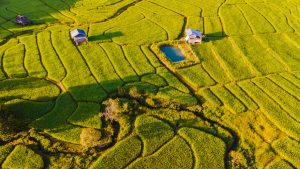
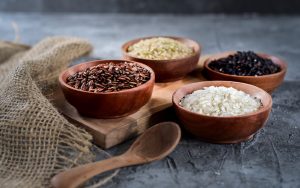
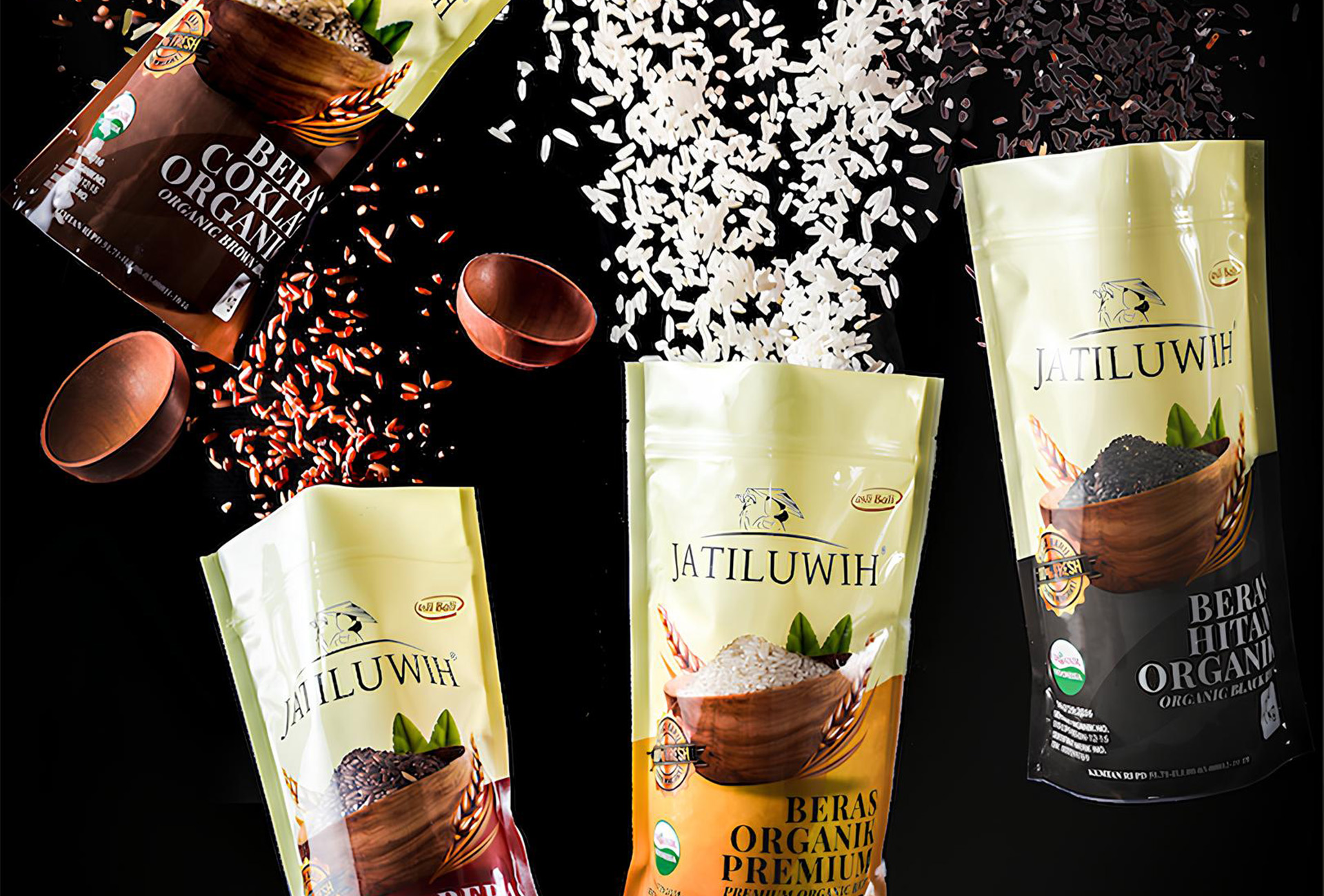
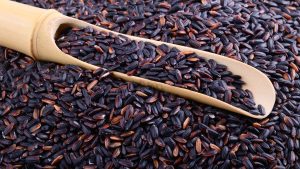
From Bali’s Sacred Fields to Your Table Certified organic since 2004, Beras Organik Jatiluwih is more than rice — it’s a daily act of care for your body, your community, and the land. On the fertile slopes of Mount Batukaru in Bali, something quietly extraordinary has been growing for over two decades. Beras Organik Jatiluwih was certified organic in 2004 — long before “organic” became a trend — and it has held that standard ever since, through a farming system built not just for yield, but for the long-term health of the soil, the water, and the people who eat it. A Range Built Around Real Nutritional Needs Whether you’re managing blood sugar, building a cleaner diet, or simply looking for rice that tastes the way rice should, Beras Organik Jatiluwih offers eight distinct varieties to meet you where you are. Premium Organic White Rice is polished to a clean finish with minimal breakage — ideal for everyday meals. Brown Rice is lightly processed to preserve its natural fibre. Black Rice, rich in antioxidants, delivers a deeper, nuttier flavour profile. Red Rice (Cendana) carries a natural aroma and satisfying texture that sets it apart from conventional varieties. For those seeking more specialised options: Pandan Wangi adds a delicate fragrance to the table, the Japonica (Hana) variety offers a softer, slightly sticky finish loved in Japanese-style cooking, and Low GI Rice — currently undergoing certification — is developed specifically to support slower glucose absorption, making it a thoughtful choice for those managing diabetes or blood sugar sensitivity. Every variety is grown without synthetic pesticides, artificial preservatives, or chemical additives, keeping the nutritional integrity of each grain intact. The mill’s proximity to the farms is deliberate: shorter transit means fresher rice reaches you. What Organic Rice Actually Does for Your Body Organic rice naturally retains higher levels of fibre and antioxidants compared to conventionally processed alternatives. Regular consumption is associated with better blood sugar regulation, improved cholesterol balance, healthier weight management, and stronger immune function. Over time, diets built around cleaner, lower-GI grains have been linked to a reduced risk of type 2 diabetes, certain cancers, and cardiovascular disease. This isn’t wellness marketing — it’s what the science says about eating closer to the source. Farming That Respects the Land It Comes From Beras Organik Jatiluwih sources from Tabanan, Bali, and additional cultivation areas in Central Java. The farming methods are designed to maintain soil fertility, optimise water use, and keep the carbon footprint as low as possible. As a locally produced Indonesian product, its environmental cost is far smaller than that of imported alternatives. The brand’s roots in Bali’s Subak irrigation tradition — a UNESCO-recognised system where agriculture, community, and nature move together — mean that every harvest carries cultural intention alongside nutritional value. Available Across Indonesia, Starting with One Meal Beras Organik Jatiluwih is available at major supermarkets across Indonesian cities and through leading e-commerce platforms, with nationwide delivery. Making the switch doesn’t require overhauling your kitchen or your budget. It begins, simply, with the rice you choose tonight.

Read More »
Uncategorized

White Rice Without the Blood Sugar Spike — Is That Even Possible?

Beras Organik Sehat Jatiluwih has a lab-tested Glycaemic Index of just 34 — less than half that of regular white rice. Here’s what that means for your health. For most Indonesians, a meal without white rice barely counts as a meal. It’s comfort, culture, and daily routine wrapped into one bowl. But white rice has long carried a nutritional caveat that’s hard to ignore: it raises blood sugar fast — and for millions managing diabetes or weight, that spike adds up. The good news is that you may not have to choose between eating rice and eating well. The Glycaemic Index Explained The Glycaemic Index (GI) measures how quickly carbohydrates in a food convert to glucose in the bloodstream. The scale runs from 1 to 100, grouped into three bands: low (under 55), medium (56–69), and high (70 and above). Standard white rice typically scores around 74 — firmly in the high category — which means it triggers a relatively rapid rise in blood sugar after eating. This matters most for people with type 2 diabetes, those following low-carbohydrate eating plans, or anyone trying to manage their weight without giving up staple foods. A Lab-Tested Score of 34 Beras Organik Sehat Jatiluwih is a white rice with a low Glycaemic Index of 34, verified by laboratory testing. That’s less than half the GI of regular white rice — placing it comfortably in the low-GI category alongside foods like lentils and most fresh vegetables. This is achieved not through artificial processing or chemical modification, but through the variety itself: a naturally lower-GI grain grown organically on the certified slopes of Mount Batukaru, Bali, free from synthetic pesticides and chemical additives. It Still Tastes Like Rice What makes Beras Organik Sehat Jatiluwih genuinely useful in a daily context is that it doesn’t ask you to compromise. The texture and flavour remain familiar — soft, clean, satisfying — without the distinctive earthiness of brown rice or the nuttiness of black rice. It fits into existing meals without disruption. For someone managing type 2 diabetes, it offers a meaningful reduction in post-meal blood sugar response. For those on a low-carb programme, it provides a slower energy release. And for anyone simply trying to build a more balanced diet without abandoning rice entirely, it offers a straightforward path forward. One Change. Real Difference. Switching to a low-GI rice doesn’t require a diet overhaul. It requires swapping one bag of rice for another. Beras Organik Sehat Jatiluwih is available at major supermarkets across Indonesia and through e-commerce platforms nationwide. Sometimes the most sustainable change is the one that fits inside your existing routine — starting with what’s already on your plate.

Read More »